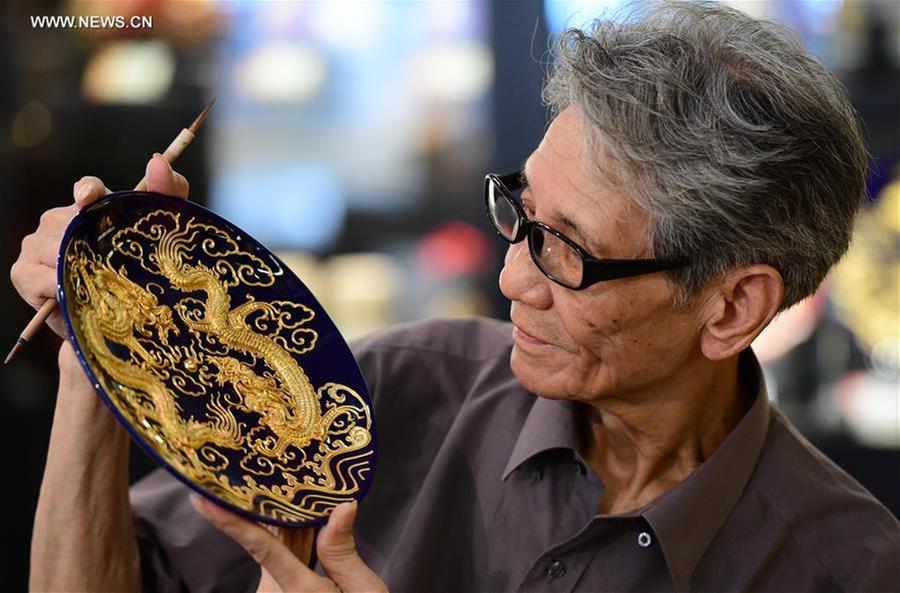
Lacquer Thread Sculpture
Introduction
Lacquer thread sculpture is a notable traditional art form originating from Southeast China, particularly prominent in Fujian province. It involves the use of meticulously crafted lacquer threads to create intricate decorative patterns. This distinctive art form emerged in the mid-17th century and has been recognized as one of China's national intangible cultural heritages in 2006. The craft embodies a rich tradition of cultural and artistic heritage, combining historical craftsmanship with aesthetic evolution.
Historical Background
The origins of lacquer thread sculpture can be traced back to the mid-17th century in southern Fujian. During this period, artisans began developing techniques to embellish Buddhist statues with lacquer threads, which gradually evolved into a unique form of lacquered sculpture. This art form reflects the broader history of lacquerwork in China, which dates back thousands of years. Archaeological findings indicate that lacquer sap from trees was utilized as early as 8,000 years ago, with its application evolving significantly over time.
Lacquer thread sculpture is more than an art form; it is a representation of cultural identity and continuity. It is part of a broader tradition of Chinese lacquer art, which has long been appreciated for its aesthetic and functional qualities.
Techniques and Artistic Styles
The process of creating lacquer thread sculpture is intricate and labor-intensive. It involves the layering of lacquer threads, which are carefully molded to form complex motifs and patterns. These threads are applied to a lacquer-coated base, which can range from small objects like porcelain vases to large temple statues. The style is characterized by its use of repeated patterns and its ability to convey depth and dimension through the accumulation of lacquer layers.
The craft has evolved over time, incorporating influences from diverse regional styles and adapting to contemporary artistic trends. This evolution is evident in the works of renowned artists such as Cai Shuikuang, who have dedicated their lives to preserving and innovating within this traditional art form.
Preservation and Modernization
The preservation of lacquer thread sculpture is crucial to maintaining its cultural and historical legacy. Efforts to safeguard this art form include the training of new generations of artists and the integration of traditional techniques into modern designs. Artists like Cai Shuikuang have played a pivotal role in these efforts, both by educating young artisans and by collaborating with contemporary designers to bring this traditional craft into modern contexts. These initiatives ensure that lacquer thread sculpture continues to thrive as a living art form, embodying both historical continuity and modern innovation.








